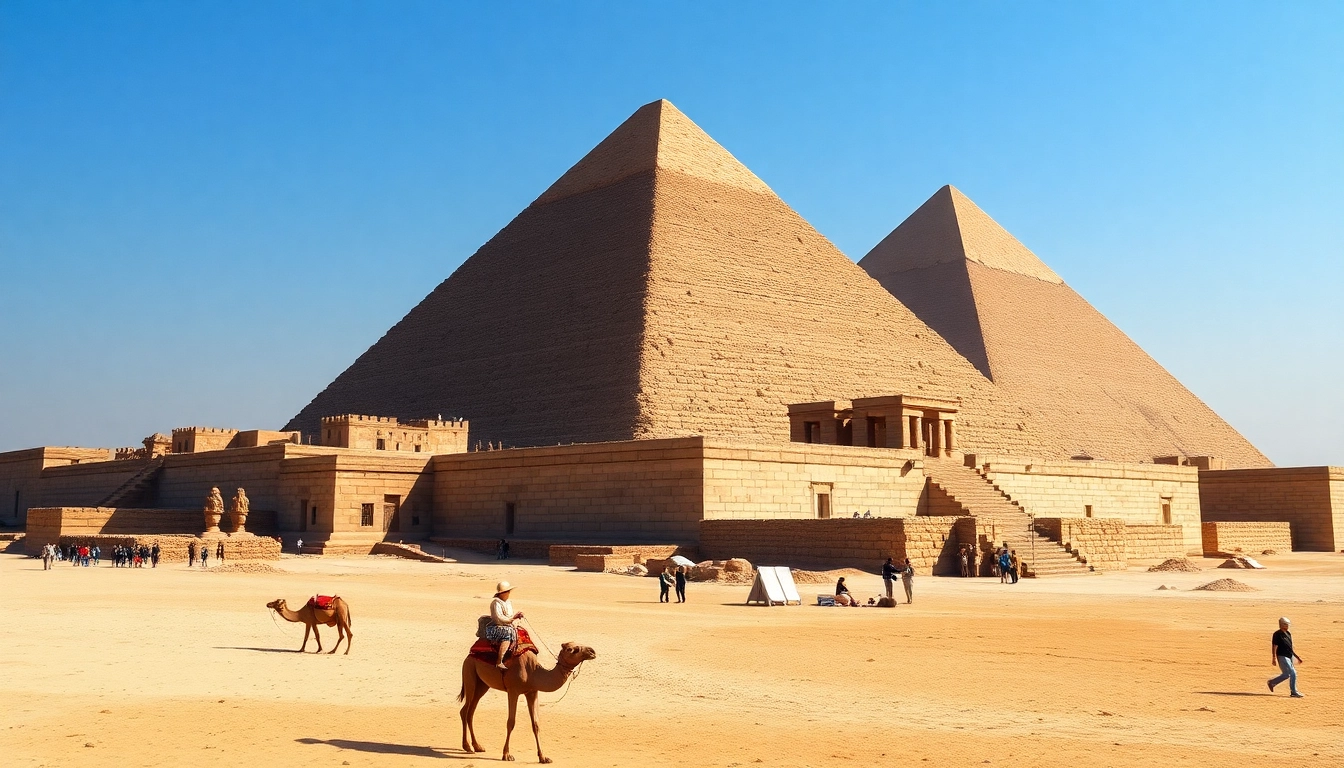
Introduction to the Pyramids of Giza
The Pyramids of Giza stand as a testament to the grandeur of ancient Egyptian civilization, captivating the world’s imagination for millennia. Situated on the Giza Plateau, these monumental structures, primarily built as tombs for pharaohs, epitomize the remarkable achievements of early engineering and architecture. Their construction has sparked curiosity and debate about the methods employed, the cultural context, and their lasting influence on civilization. For those keen on exploring the intricate details of these ancient marvels, a visit to https://piraminds.com/ unveils a wealth of information and insights.
Historical Significance of the Pyramids
The Pyramids of Giza, particularly the Great Pyramid of Khufu, date back to approximately 2580–2560 BCE and serve as monumental tombs designed to honor the deceased pharaohs. This period, known as the Fourth Dynasty of the Old Kingdom, marked the zenith of pyramid construction. Beyond serving as burial sites, they were believed to facilitate the pharaoh’s journey to the afterlife, reinforcing the society’s deep-seated beliefs in immortality and resurrection.
Historically, the pyramids symbolize Egypt’s architectural ingenuity and political power. The alignment of the pyramids with celestial bodies reinforces their role as spiritual entities, reflecting the ancient Egyptians’ complex understanding of the cosmos. Over time, they have become synonymous with Egyptian identity and heritage, drawing countless visitors and researchers who seek to unravel their mysteries.
Architectural Marvels: Design and Structure
The architectural brilliance of the Pyramids of Giza is evident in their design and structural elements. The Great Pyramid, originally standing at 146.6 meters, is an iconic representation of precision and engineering prowess. Constructed primarily from limestone and granite, these massive stones were quarried and transported using an array of techniques; theories suggest sledges, ramps, and even rolling logs were employed.
Each pyramid featured a complex internal layout designed to thwart grave robbers, including hidden chambers and long passageways that lead to the burial chamber—a feature that underscores the sophisticated understanding of structural integrity and security. The use of corbel arches and precise geometric principles highlights the advanced engineering techniques utilized by ancient builders, setting the foundation for future architectural endeavors.
Preservation and Conservation Efforts
In recent decades, significant efforts have been made to preserve and protect the Pyramids of Giza from the threats posed by urbanization, erosion, and environmental factors. Ongoing conservation projects aim to stabilize the structures and prevent damage caused by tourists and pollution. Organizations both local and international are collaborating to implement sustainable tourism practices, ensuring the pyramids remain intact for future generations to explore and learn from.
The Construction of the Pyramids
Techniques Used in Building the Pyramids
The methods utilized in constructing the pyramids continue to fascinate historians and archaeologists alike. One prevailing theory posits that a vast workforce, potentially numbering in the tens of thousands, was organized into skilled laborers and seasonal workers, showing remarkable efficiency.
Innovative scaffolding systems may have been developed to facilitate the movement of heavy stones to great heights, while sophisticated surveying techniques ensured precise alignment with cardinal points and celestial bodies. The incorporation of ramps, whether straight, zigzag, or circular, remains a compelling topic of study, highlighting the complexities involved in this monumental labor.
Labor Force and Organization
The organization of labor for pyramid construction reveals a well-structured society capable of mobilizing vast resources. Contrary to the popular narrative of slave labor, evidence suggests that a paid workforce including skilled laborers, craftsmen, and seasonal workers collaborated in the building process.
Living conditions for these workers were surprisingly dignified, with archaeological findings indicating the establishment of nearby workers’ camps equipped with adequate sustenance and medical care. This social organization not only reflects the prioritization of the project but also speaks to the collective cultural ethos surrounding the pyramids as embodiments of the state’s power and spiritual beliefs.
Mysteries Surrounding Pyramid Construction
The mystery of how such colossal structures were built with limited technology continues to intrigue researchers. Aside from transporting stones from quarries located miles away, the precise measurements and alignments present unanswered questions. Theories surrounding the need for astronomical skills for alignment with heavenly bodies add another layer of intrigue.
Furthermore, secret passages and chambers within the pyramids raise questions about the extent of ancient Egyptian engineering knowledge. Theories abound, from the use of counterweight systems to advanced mathematical formulas, all of which showcase the Egyptians’ profound sophistication in both mathematics and physics.
The Cultural Impact of the Pyramids
Religious Significance in Ancient Egypt
The pyramids were far more than mere tombs; they were central to ancient Egyptian cosmology and spirituality. Each pyramid was emblematic of a pharaoh’s divinity, symbolizing a pathway to the afterlife. Religious rituals and ceremonies often took place in the vicinity of the pyramids, reinforcing their status as sacred sites.
The relationship between the pyramids and the surrounding complex, which included temples and smaller tombs, illustrates the Egyptians’ elaborate beliefs in the afterlife and their connection to the divine. These beliefs were so potent that they influenced art, literature, and daily life, with the pyramids serving as the quintessential representation of a greater spiritual mission.
Influence on Modern Architecture and Art
The awe-inspiring design of the pyramids has left an indelible mark on modern architecture and art. Their geometric forms and principles have inspired countless architectural styles, from neoclassical structures to contemporary buildings. The concept of monumental architecture, aimed at embodying cultural and spiritual values, finds its roots in the impressive designs of the pyramids.
Artists worldwide often draw inspiration from the pyramids, encapsulating their grandeur in various forms—from paintings to sculptures—continuing a legacy that bridges the ancient and modern worlds. This cultural cross-pollination emphasizes the enduring human fascination with legacy, identity, and mortality.
Tourism and Economic Benefits
The Pyramids of Giza are not merely significant from a historical and cultural standpoint; they are also economic powerhouses. As a UNESCO World Heritage Site, they attract millions of tourists annually, generating substantial revenue for Egypt’s economy. The tourism surrounding these ancient sites has prompted investments in infrastructure, hospitality, and cultural preservation.
Local communities benefit as well, with businesses flourishing around tourism. However, the balancing act of maintaining the natural and historic environment while accommodating the influx of visitors poses ongoing challenges that need to be managed with sustainable tourism approaches.
Top Myths and Misconceptions
Common Misunderstandings about Pyramid Engineering
Despite extensive research, several myths persist regarding the engineering of the pyramids. One predominant misconception is the notion that the pyramids were built solely by slaves. Evidence suggests that skilled laborers, often paid and well cared for, vastly outnumbered any notion of forced labor.
Additionally, many believe that the construction process involved simple brute force; however, it is now understood that advanced techniques such as leverage, ramps, and organizational strategies all played critical roles in this massive undertaking.
The Role of Aliens in Pyramid Construction
Hollywood and popular culture have often suggested extraterrestrial involvement in pyramid construction due to the remarkable precision and scale of these monuments. This theory, however, is not supported by archaeological evidence. Ancient Egyptians possessed the necessary skills and knowledge, resulting from centuries of development and practice in engineering and architecture.
The narratives surrounding alien intervention detract from the ingenuity and resilience of early human civilizations, inevitably undermining the real achievements of those who built these awe-inspiring structures.
Debunking Popular Fictional Representations
Fictional representations of the pyramids in film and literature often exaggerate their purpose and function. For instance, portrayals of elaborate traps, curses, and hidden secrets that challenge explorers’ bravery create sensationalism that detracts from the historical and cultural significance of these sites.
Such misrepresentations can lead to misunderstandings about the realities of ancient Egyptian society, oversimplifying complex relationships between religion, governance, and architecture, while overshadowing the actual historical narratives woven into the fabric of these magnificent structures.
Visiting the Pyramids Today
Best Times to Visit the Pyramids
The ideal time to visit the Pyramids of Giza is during the cooler months, from October to April, when temperatures range comfortably between 20 and 25 degrees Celsius. This period enables visitors to explore without the discomfort of extreme heat. Opting for early morning or late afternoon visits can also provide a more serene experience, away from the crowds.
What to Expect During Your Visit
A visit to the Pyramids of Giza promises an unparalleled experience that merges history, culture, and beauty. Visitors can explore the impressive structures up close, walk among ancient ruins, and even enter certain pyramids to experience their grandeur firsthand. Guided tours are available to enhance understanding, providing context and historical insights that enrich the overall experience.
Impact of Climate and Weather on Visits
Climate can significantly impact the visitor experience at the Pyramids. The summer months often see extreme heat, with temperatures surging beyond 35 degrees Celsius, making long excursions arduous. Dust storms and high winds can affect visibility and comfort levels. Additionally, rainfall, though rare, can occur in winter, impacting accessibility but also providing a unique atmosphere around the pyramids.
Frequently Asked Questions
What is the Great Pyramid of Giza?
The Great Pyramid, built for Pharaoh Khufu, is the largest of the three main pyramids on the Giza Plateau and was originally 146.6 meters tall.
How many pyramids are located in Egypt?
Over 130 pyramids have been discovered in Egypt, with the most famous being the Pyramids of Giza.
Were the pyramids built by slaves?
No, the pyramids were primarily built by a skilled workforce of laborers who were well-fed and cared for, contrary to popular belief.
How long did it take to build a pyramid?
It is estimated that the construction of the Great Pyramid took approximately 20 years, involving thousands of workers and intricate planning.
What should I wear when visiting the pyramids?
Comfortable clothing, breathable fabrics, sunscreen, and sturdy walking shoes are recommended, especially during hotter months when sun protection is essential.